
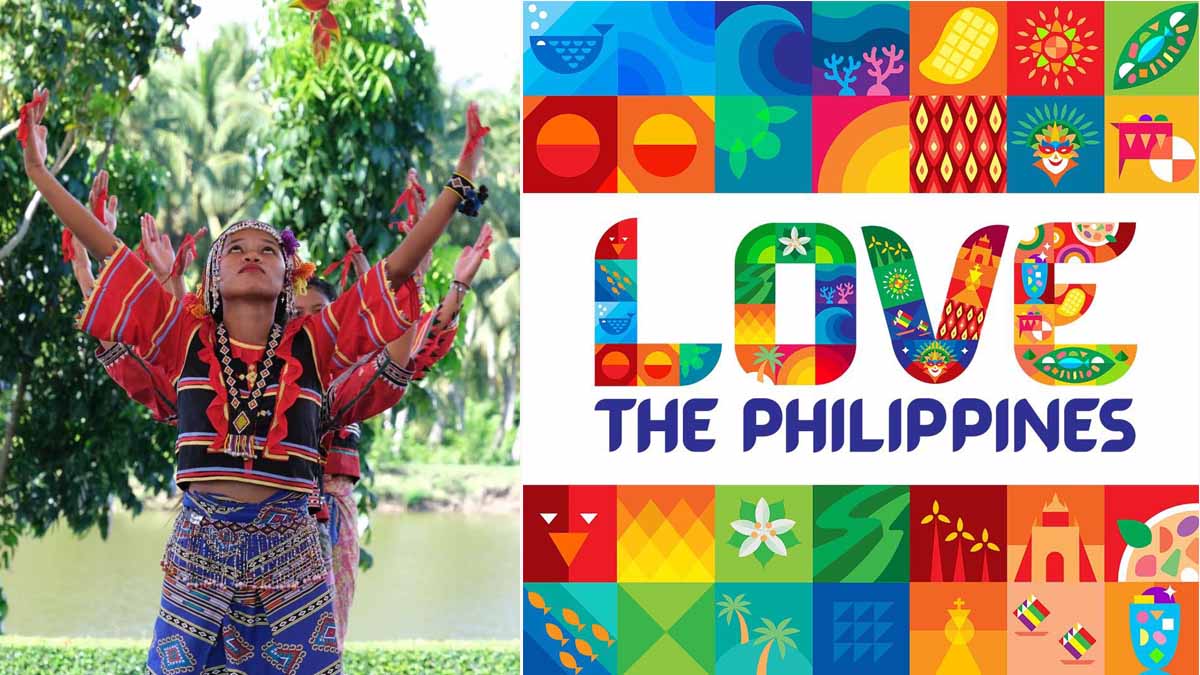


Inilunsad ng Department of Tourism (DOT) noong June 27, 2023 ang bagong campaign slogan nito, ang “Love the Philippines.”
Pinalitan ng bagong slogan ang 11-year-old “It’s More Fun in the Philippines” isang taon matapos ianunsyo ng Marcos administration ang plano nito na maglunsad ng tourism campaign na nagpapakita ng “Filipino brand.”
Ang paglulunsad ng bagong slogan ay kasabay ng pagdiriwang ng ika-50 taon ng DOT.
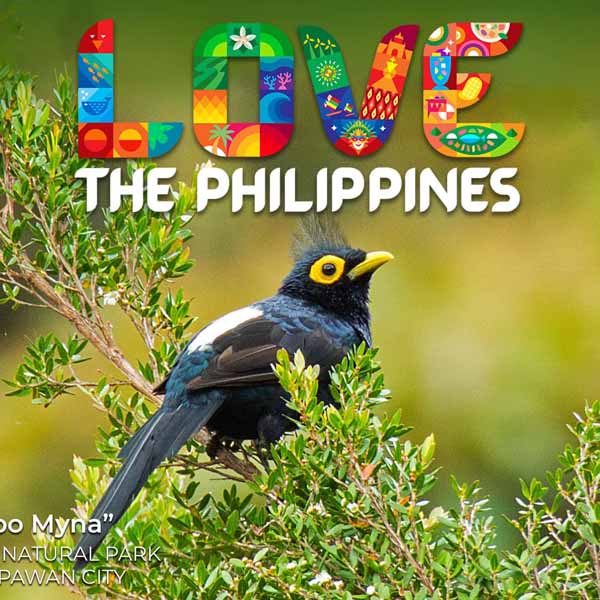
Ayon kay Tourism Secretary Christina Frasco, “The campaign ‘Love the Philippines’ is not a mere branding campaign, but rather a call to action to every Filipino citizen to remember the beauty of our country, to honor our past, and to look forward to the future armed with the virtues, [and] values of being a Filipino.”
Dagdag pa niya, “Love the Philippines is a recognition of our natural assets, our long and storied history, our rich culture and diversity.”
“HOW ABOUT A COMMA? LOVE, THE PHILIPPINES.”
Nagbigay naman ang journalist na si Howie Severino ng kanyang saloobin ukol sa bagong campaign slogan ng DOT.
Sa kanyang Facebook post noong June 29, nag-post si Howie ng, “How about a comma? Love, the Philippines.”
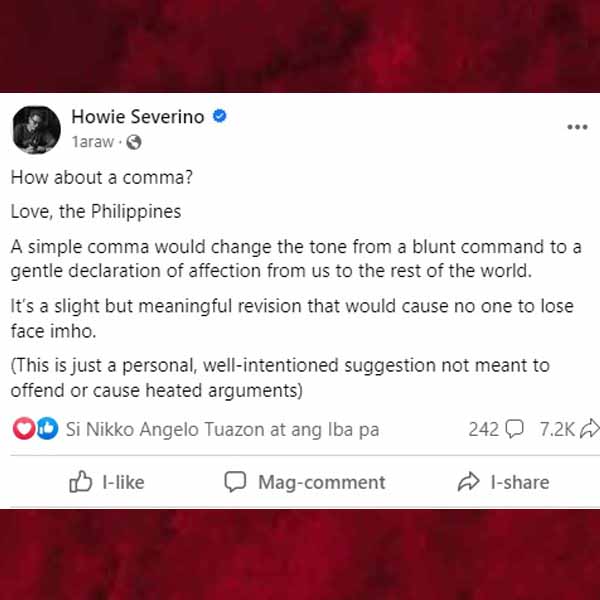
Paliwanag ng journalist, “A simple comma would change the tone from a blunt command to a gentle declaration of affection from us to the rest of the world.”
Ito aniya ang kanyang honest opinion. “It’s a slight but meaningful revision that would cause no one to lose face.”
Sinabi rin ni Howie na ito naman ay personal na mungkahi lang niya at maganda ang kanyang layunin.
Wala rin siyang intensyon na maka-offend ng iba o kaya ay maging sanhi ng maiinit na argumento.
Ang post ni Howie ay nakakuha na ng 7.2K shares.
Umani rin ito ng iba’t ibang komento mula sa netizens.
May nagpahiwatig na mas bet pa rin ang lumang slogan na “It’s more fun in the Philippines.”
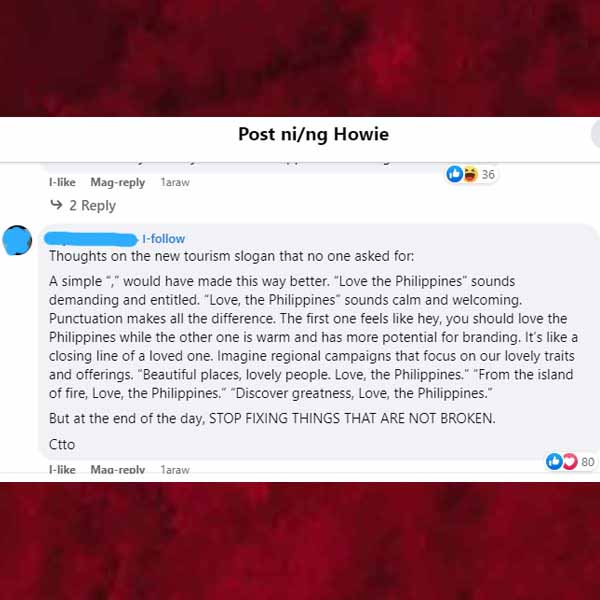
Hirit naman ng isa, “Kahit ano pa yang slogan na yan, mas importante how the Philippines, the Filipinos make the tourists feel. Kung maganda ang experience, magiging maganda yung dating ng slogan. Kung pangit ang experience, magiging masama ang dating ng slogan.”
Tugon dito ni Howie, “Noted and true. But if slogans don’t really matter, why spend taxpayers’ money on one at all?”
Mayroon ding pabor sa mungkahi ni Howie. Komento nito, “We were just talking about this comma yesterday and how it can make the slogan more meaningful and functional in a wide range of ads and promos that they can produce for the tourism industry.
“Example, ‘Our beaches are waiting for you to enjoy. Love, The Philippines.’”
Susog dito ni Howie, “Mismo. Without the comma, people will still be tempted to add it via Sharpie, hehe.”
“LOVE” INIUUGNAY NG MGA TURISTA SA PILIPINAS
Sa ginanap na presentasyon ng bagong slogan, tinukoy Marie Adriano, ang brand and strategic planner ng marketing firm na DDB Group Philippines na ang “love” ay isang positibong tema na iniuugnay ng mga turista sa Pilipinas at “frequently mentioned in high volume globally.”
Ayon kay Adriano, “While fun remains a positive theme and certainly part of the Pinoy DNA, there’s less volume of mentions.”
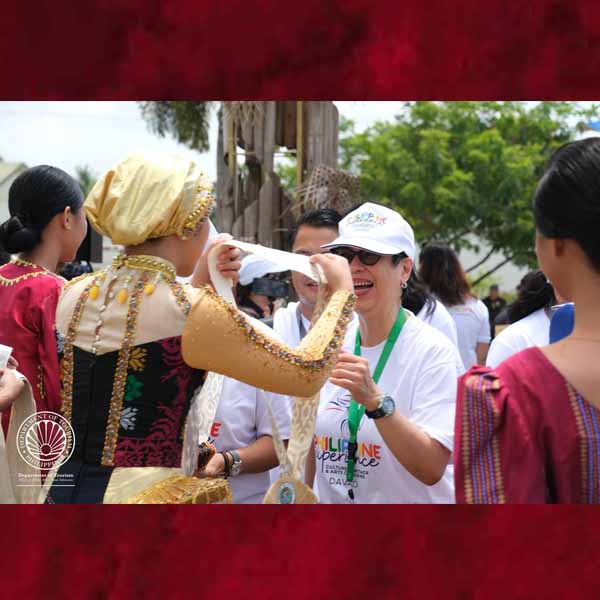
Sinabi rin niya na dahil sa pandemya ay may tinatawag na ngayon na “revenge travel” kung saan pinahahalagahan din ng mga turista, hindi lang ang pagre-relax, kundi maging ang makahulugang karanasan sa lugar na pinapasyalan.
Ani Adriano, “Coming from a culture shift, naturally, changes in the consumers follow. Who are they? We call them the ‘changed traveler’ for the very reason that traveling has come to mean more than just leisure.”
Ipinaliwanag din niya na ang mga turista ay naghahanap ngayon ng “real world experiences” kung saan ninanamnam ng mga ito ang kultura sa mga lugar na pinapasyalan at mga natatanging karanasan na doon lang nila makukuha.
At dahil nag-iba at lumawak na aniya ang gusto ng mga turista dahil na rin sa mga bagong priorities and expectations, napakahalaga ng brand enhancement para manatiling competitive and relevant ang ating tourism industry.
“We can choose to stay where we are or choose to pivot and realize the vision of the future. What they're seeking today and what interest them to travel, we have it. The wonderful thing is we actually have it and more, it's just that they don't know yet,” paliwanag pa ni Adriano.