
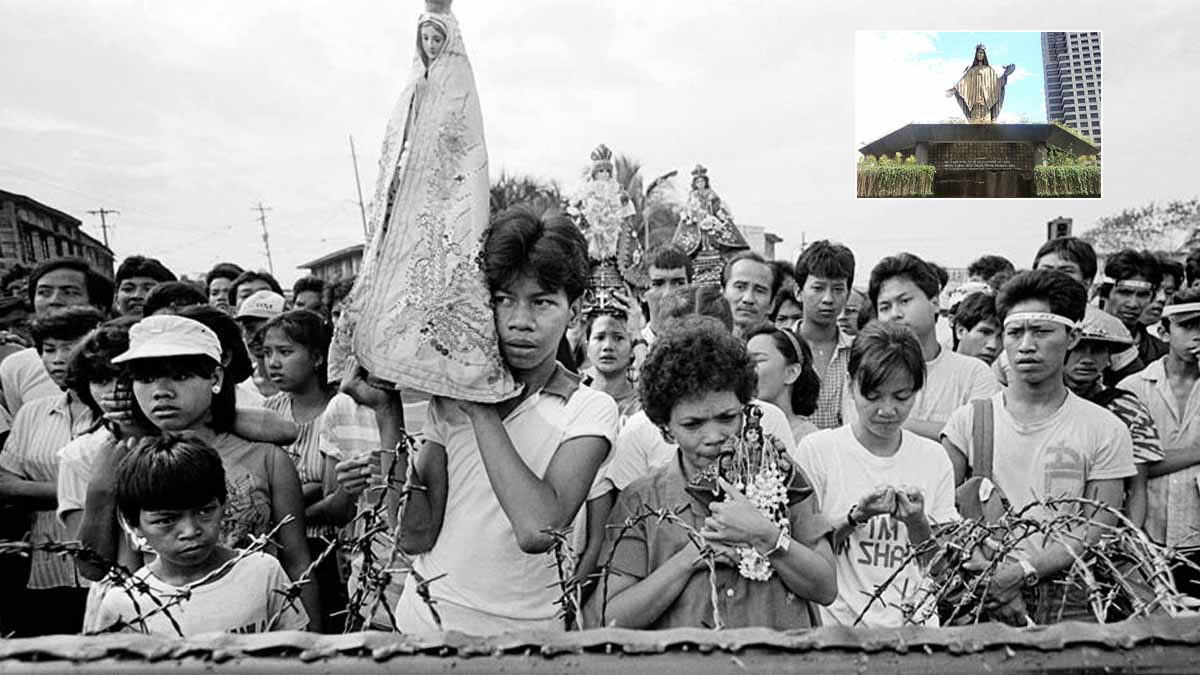

Isa si Dr. Ricardo Jose, history professor sa University of the Philippines, sa personal na nakasaksi at lumahok sa mga kaganapan sa EDSA People Power noong February 1986.
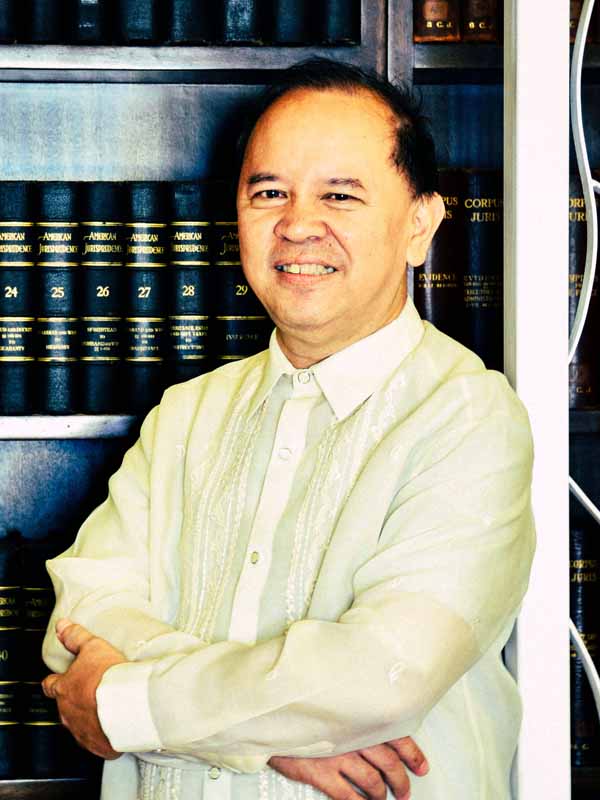
Noong February 22, 1986, nagpahayag sina dating Minister of Defense Juan Ponce Enrile at Liutenant General Fidel V. Ramos ng Philippine Constabulary na hindi na nila sinusuportahan ang administrasyon ni dating pangulong Ferdinand Marcos.
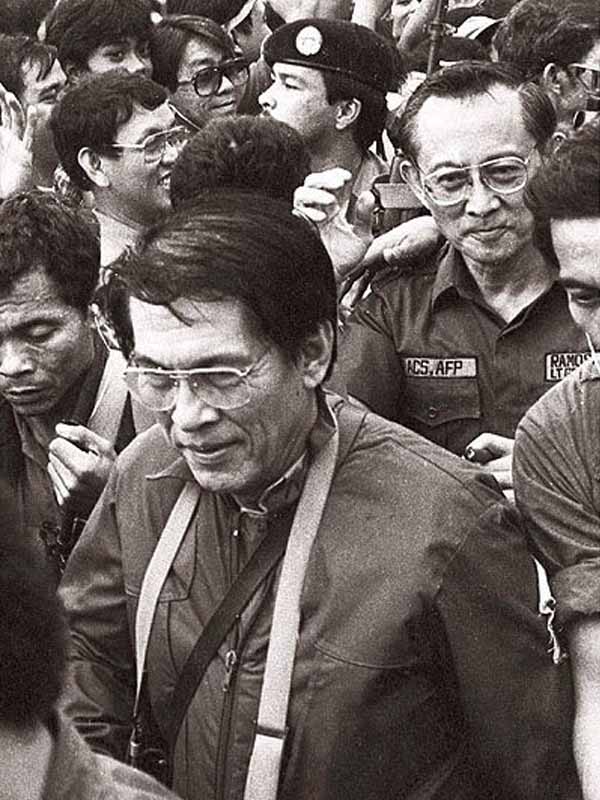
Nanawagan sila sa media para sa suporta ng publiko. Makalipas lang ang ilang oras, nagpuntahan na ang mga tao sa EDSA.
Sa panayam kay Dr. Jose ni Klea Gonzales, associate digital editor ng GRID Magazine, noong February 2021, sinabi niyang naroon na siya sa unang gabi nang dumagsa ang mga tao sa EDSA dahil nakatira siya malapit sa Camp Crame.
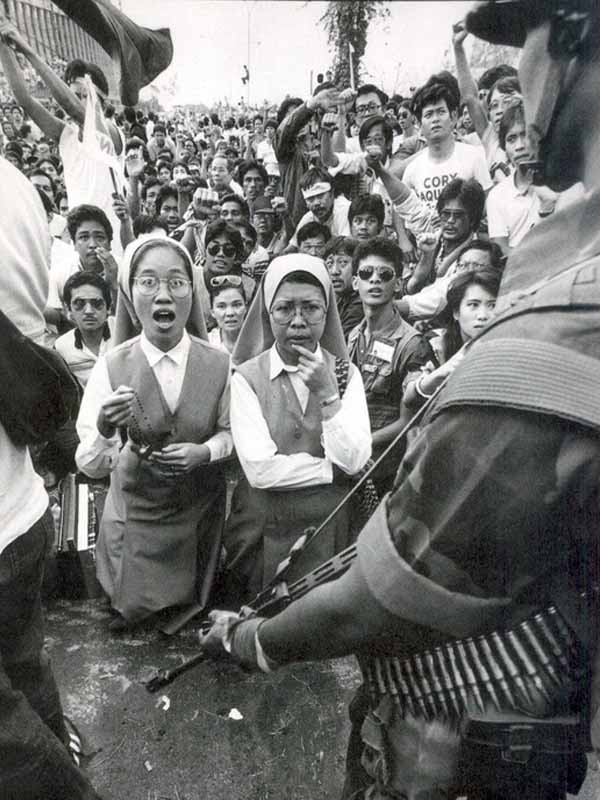
Pagbabahagi niya, “That first night was very tense. We didn’t know what was going to happen. Even Marcos was caught off guard by this!
“But by the next day, more people came in after Cardinal Sin, the head of the Catholic Church, also appealed to all Filipinos to support Enrile and Ramos at EDSA. I think that was a Sunday.”
Umuuwi lang siya sa kanilang bahay para matulog sandali, at bumabalik din agad sa EDSA.
“There were no phones or internet at the time, so this was all being done by word of mouth. We would hear more news [when we got there]: more people had joined up with Ramos and Enrile, there were a lot of civilians joining up, other military forces...
“International press was covering this, so Marcos’ hands were kind of tied, but it was apparent that he was going to use force.”
MGA TAO HINDI NATINAG NG MGA TANGKE AT ARMORED VEHICLES
Narinig ni Dr. Jose sa mga usap-usapan na magpapadala si Marcos ng mga Marines para i-disperse ang mga tao. Gayunpaman, hindi sila umaalis sa pagbabarikada.
Hindi rin natinag ang mga tao kahit nagpadala ng mga tangke at armored vehicles si Marcos.
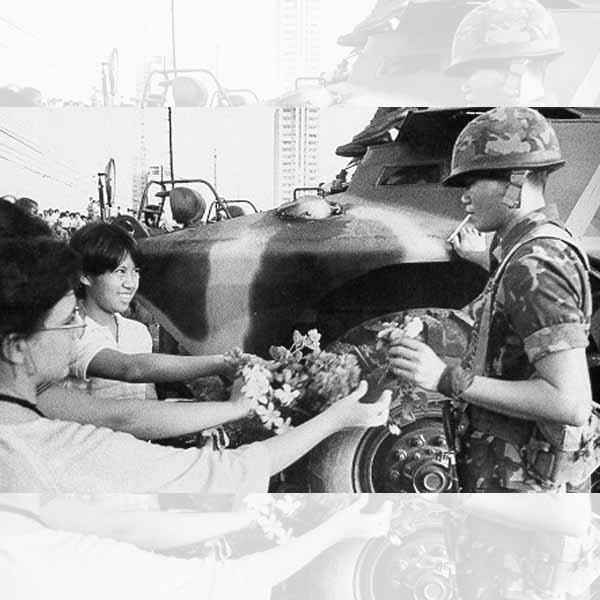
Ayon pa kay Dr. Jose, ang major turning point ay naganap noong February 24, nang isang grupo ng helicopter pilots ang lumipad mula sa Villamor Airfield patungong Camp Crame para sumuporta kina Ramos at Enrile.
“I was at home when they landed, but when I got the news very early in the morning, I immediately went to EDSA and saw it.
“It was huge because it meant that now Ramos and Enrile had air power.”
Naging desperado aniya si Marcos. Humingi ito ng tulong sa U.S. ngunit sa halip na tulungan ay sinabihan ito ng U.S. na umalis na sa Malacañang.
Walang nagawa si Marcos kaya iniwan na nito ang Palasyo.
Dinala siya ng mga sundalong Amerikano sa Clark Field bago inilipad sa Guam at pagkatapos ay sa Hawaii.
PARANG PIYESTA NANG MAKAALIS ANG MGA MARCOS
Ani Dr. Jose, napakasaya ng paligid ng EDSA noon nang malaman ng mga naroroon na wala na ang mga Marcos.
“When we heard the news that he finally left the Philippines on February 25th, there was a major celebration. It was really like a fiesta; everybody was jumping for joy!”
“There was a really strong feeling of bayanihan. We didn’t know each other, but everybody felt the same way.
“It was a very joyous popular feeling that we had ousted this dictator—and that we had ousted him without the use of force.”
DIWA NG EDSA, NAKAKALIMUTAN NA
Fast forward to 2022, tila marami na ang nakalimot sa alaala ng EDSA People Power.
Para kay Dr. Jose, dapat itong ituro ito sa mga paaralan lalo na sa younger generations dahil isa itong mahalagang sandali sa kasaysayan ng Pilipinas.
“It’s a period that we should be proud of! We were the first country to overthrow an authoritarian government without violence, and a number of other countries followed that Philippine example.
“In fact, I think a year or so later, there was a conference on Newly Restored Democracies that we led. It was not only in the Philippines; it had worldwide impact.”
Aniya, maganda ang epekto ng People Power noong umpisa dahil hinangaan tayo ng buong mundo.
“Later on, politics came in, and [many of] the gains that we had gotten were gradually lost. But [there are] a lot of lessons to be learned there, and it really is such a high point in Philippine history.”
HIGIT PA SA PETSANG FEBRUARY 25
Paliwanag ni Dr. Jose, para sa isang gaya niya na nagtuturo ng history, hindi niya pinupuwersa ang mga estudyante na pag-aralan ang mga petsa.
“February 25 isn’t really important by itself, it’s the whole process: How did we reach February 25? What led to that?”
Iyon aniya ang nakikita niyang kulang kaya marami na ang nakalimot sa diwa ng EDSA.
“There’s a failure to educate people about what was really happening and why it’s so important.”
Aniya, maraming dapat malaman ang mga Pilipino bukod sa petsa kung kailan inaalala ang EDSA People Power.
‘’You can’t just say, ‘This happened on February 25.’ You have to explain Martial Law, the snap elections...
“We have to look at the whole Martial Law experience and why people were so upset that it reached a boiling point at EDSA.”