
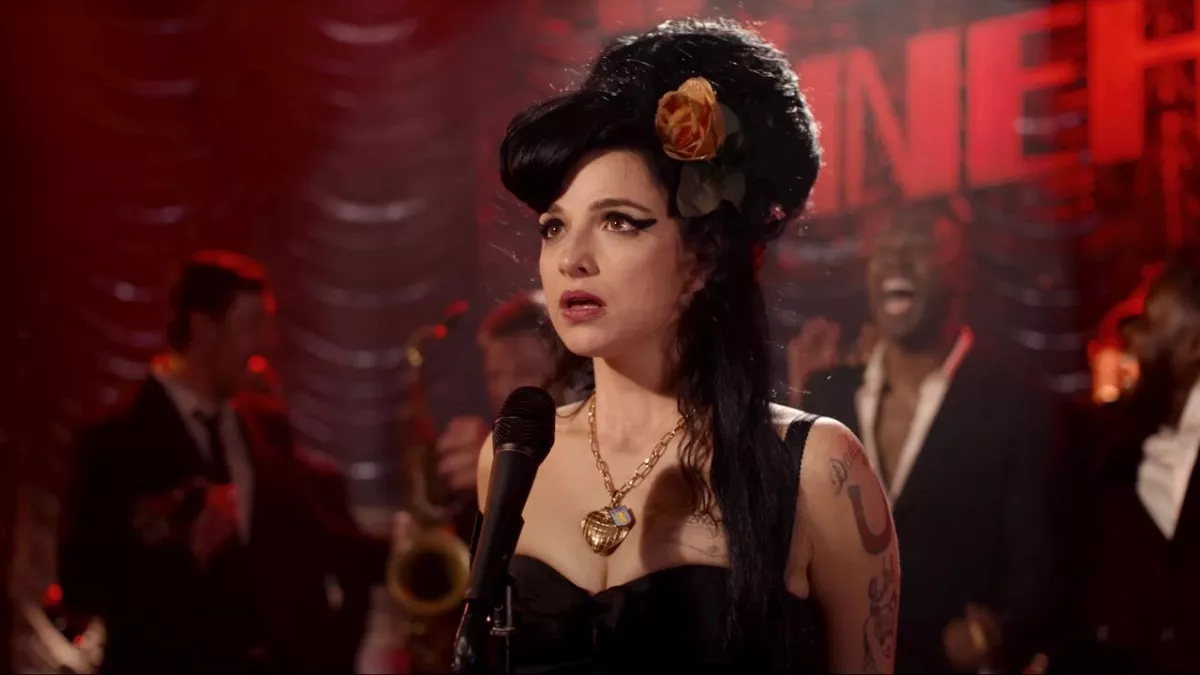

The tragedy of artists dying young is the thought of their unfulfilled potential, what more they could have achieved.
Such is the tragic tale of Amy Winehouse, the temperamental yet immensely talented English singer-songwriter who sadly succumbed to alcohol poisoning at the tender age of 27 on July 23, 2011.
Read: British singer Amy Winehouse dead at 27
Amy's tumultuous life and inner struggles are the focus of the biographical film Back to Black, directed by Sam Taylor-Johnson.
Sam is known for her past works Nowhere Boy, which explores the childhood of Beatle John Lennon, and the erotic drama Fifty Shades of Grey.
So what else is there to know about the much-anticipated movie? Here are key takeaways to keep in mind before heading to the cinema.
WHO PORTRAYS AMY WINEHOUSE?
English actress Marisa Abela (Rogue Agent, Barbie) takes on the role of the controversial Amy.
Marisa admirably does the actual singing in the movie, refusing to lip-synch to the songs recorded and popularized by the late singer.
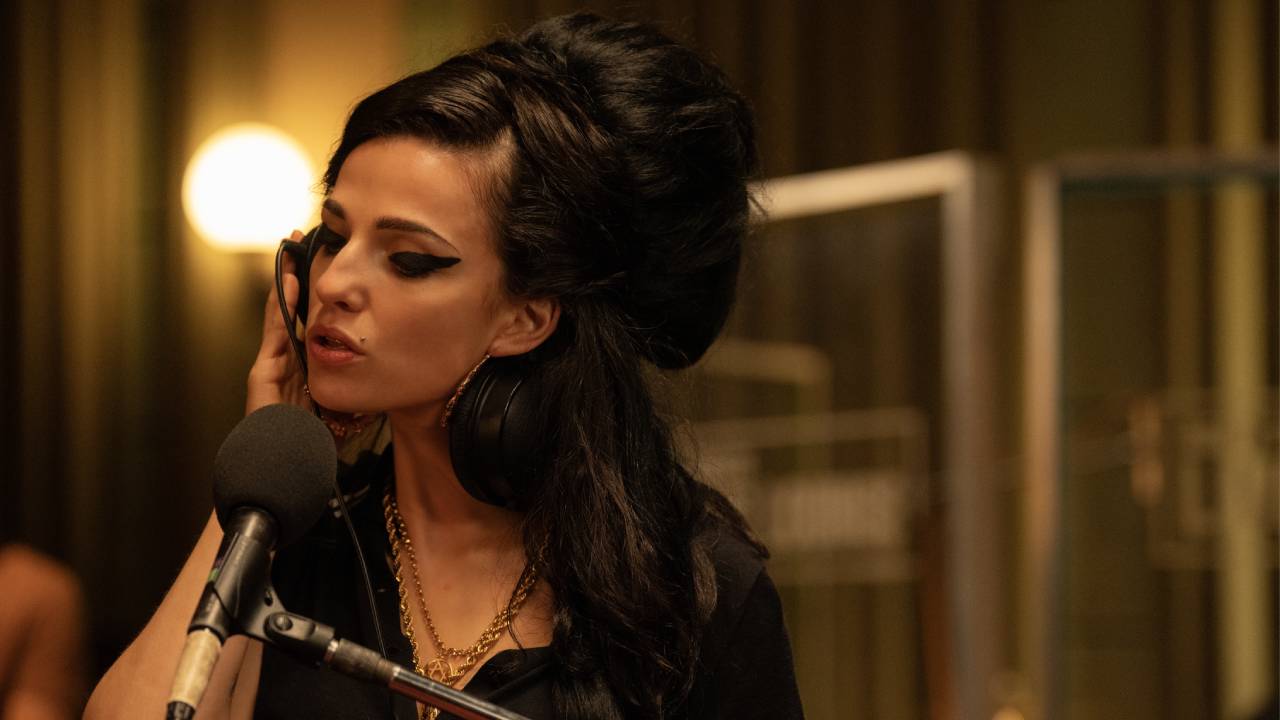
Singing Amy Winehouse's songs is no easy feat, let alone attempting to replicate her deep and passionate contralto vocal style for cinematic purposes.
Marisa admirably has managed to pull it off impressively, putting aside the harsh criticisms from some fervent Amy Winehouse fans after seeing the trailer.
"One of the incredible things about Amy was that she never performed the same song the same way twice," said Marisa in an interview for RadioTimes.com.
"I mean, it's an incredibly distinctive sound, so just nailing that sound was the difficult thing."
Beyond her vocal performance, Marisa did her homework to emulate the singer's physical characteristics and nuances.
What's particularly striking in mirroring Amy's own journey is the visible disintegration as the pressures of fame, tumultuous relationship, and escalating addiction take their toll on the singer's physical appearance.
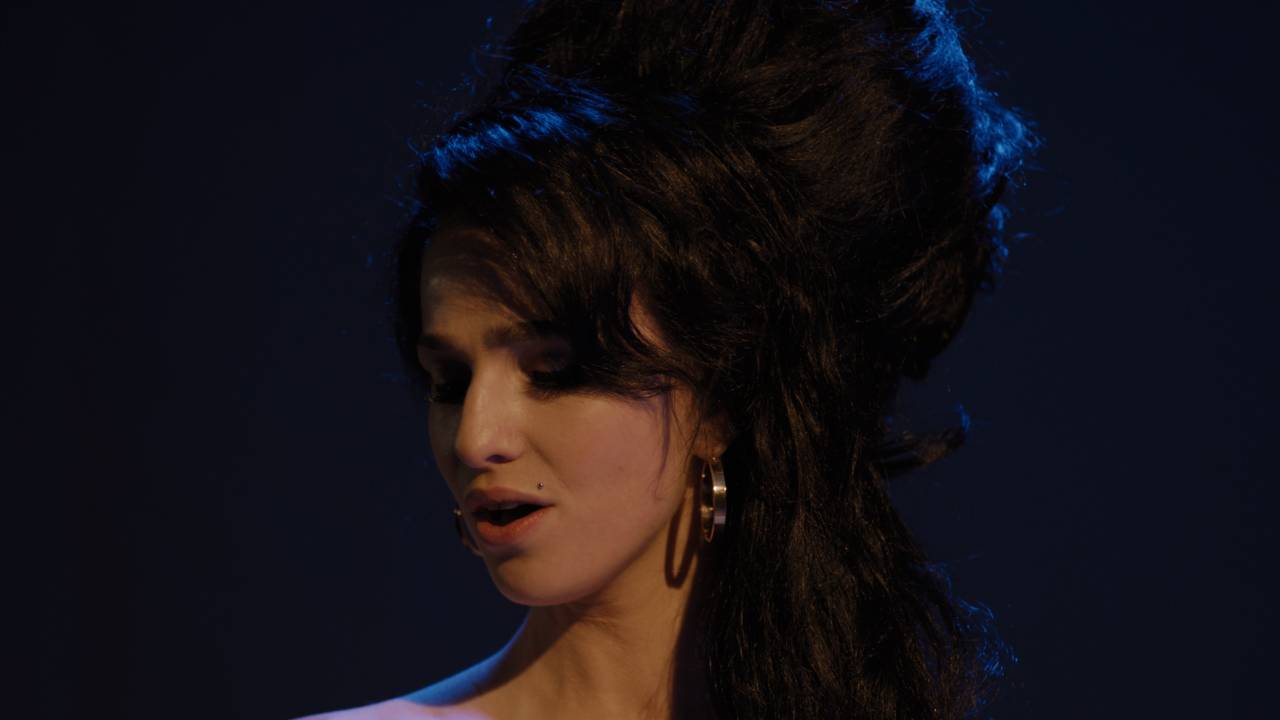
Marisa heavily immersed herself into the character with the help of choreographer and movement coach Sara Green.
To do this, the actress frequented the late singer's favorite hangout places such as the Dublin Castle and the Good Mixer pubs.
Marisa also had to shed significant pounds to convincingly illustrate Amy's plummeting physique because of alcohol, drugs, and eating disorders.
However, Marisa and the film's team chose not to utilize facial prosthetics, a decision primarily driven by the actress' own preferences.
“I didn’t want people to be, like, ‘You couldn’t tell the difference!'" Marisa told Vanity Fair.
“I was, like, ‘Who are we kidding?’ It’s me, we know it’s not her.”
Sara, meanwhile remarked to the magazine Variety, “We’re not trying to impersonate Amy. We’re not trying to copy her. We want to understand why she moves the way she does.”
JACK O'CONNELL AS AMY'S LOVER BLAKE
A retelling of Amy's life story would not be complete without mentioning her tumultuous love affair with ex-husband Blake Fielder-Civil.
Together, the two became tabloid fodder, with Amy's music taking a backseat as the public consumed her personal life as fed by the intrusive paparazzi.
Back to Black highlights the tumultuous relationship between Amy Winehouse and Blake Fielder-Civil.
Their intense bond, marked by passion and turmoil, drew comparisons to other famous couples like punk rocker Sid Vicious and groupie Nancy Spungen, with the media portraying their relationship as a volatile mix of love and destruction.
Portraying Blake in the movie is Jack O’Connell, who had the chance to talk and spend time with Blake while preparing for the project.
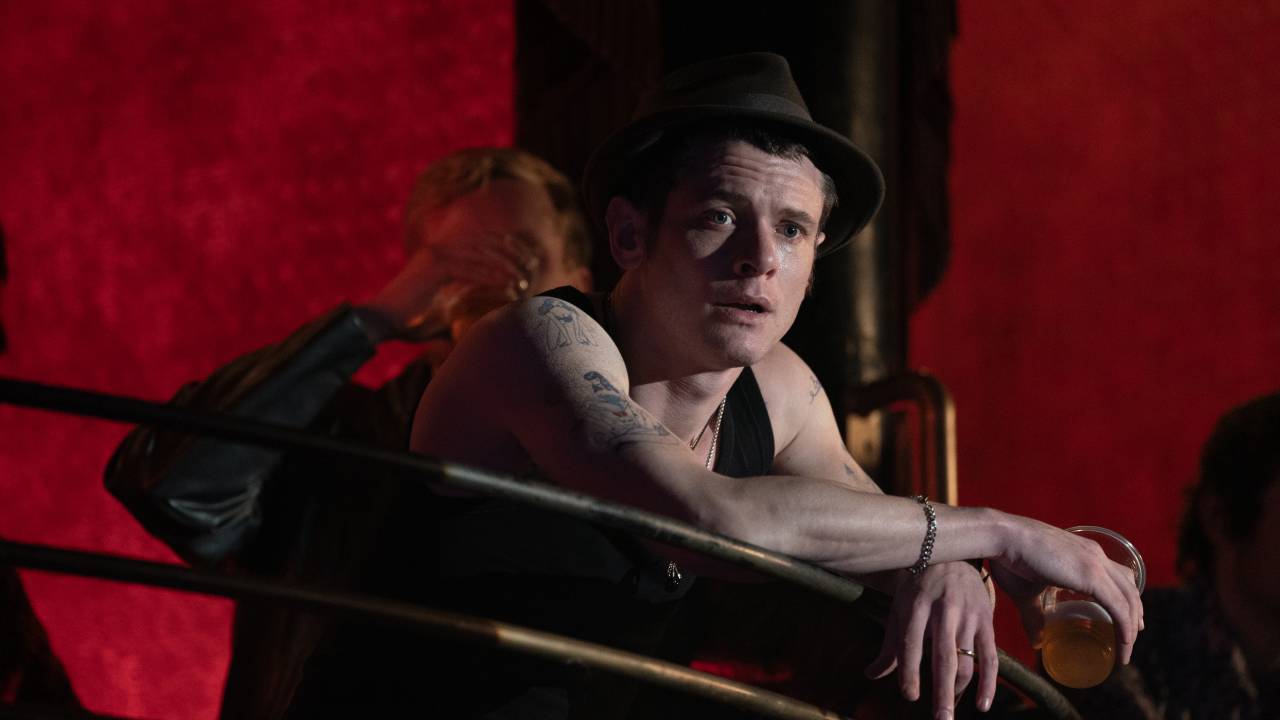
Jack told Variety, “When I met Blake, he resembled the kind of guys that I looked up to back in the day, the sorts of characters I’d be drawn to and want to have a drink with and spend time with."
He continued, “So I felt like I had stuff in common with him and understood the type of geezer that he is, and wanted to handle that authentically and give that portrayal a bit of depth.”
Blake expressed misgivings on how he is perceived in the Amy Winehouse story and lambasted those around the singer's circle for passing the blame on him instead of owning their share of dirt for Amy's fate.
“But for me personally, I’ve needed to stop carrying that cross on my own. I’ve carried that burden myself for over 10 years," lamented Blake recently on Good Morning Britain.
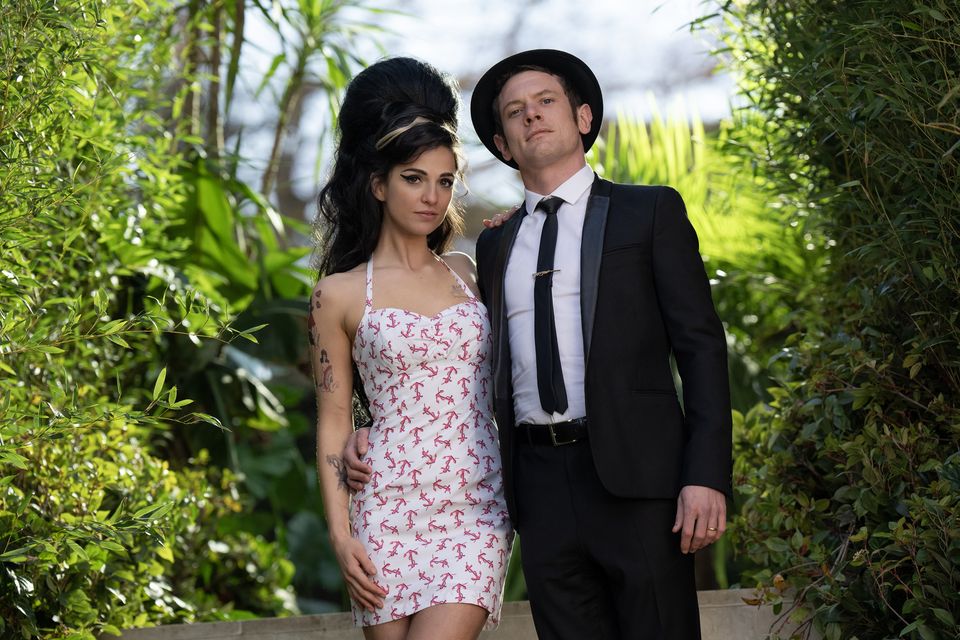
"I feel, to be honest, that I’m the only person within that story that’s ever held any accountability, that’s ever tried to say, ‘Yep, I made some huge mistakes.’”
Meanwhile, one of the film's memorable moments is the first meeting of Amy and Blake during a seemingly mundane day in a pub—a significant event in the narrative that turns the plot's wheel in motion.
APPROVAL FROM AMY WINEHOUSE'S FAMILY
Back to Black has the blessing of Amy's family, which oversees the late singer's estate following her untimely passing.
This alone makes skeptics roll their eyes, perceiving the movie as a vehicle to—and what Amy's ex-husband Blake insinuated—clear the singer's family and close associates from the blame.
Read: Amy Winehouse to be buried tomorrow
It's worth noting that Amy's father Mitch Winehouse is being blamed as much as Blake by some for his perceived role in the singer's descent to self-destruction.
The debate is that Mitch failed to adequately support her daughter during her battles with addiction and mental health struggles.
This opinion has made Mitch come across as an opportunistic parent more concerned about his daughter's fortune and career.
It was said that Mitch shot down the idea of Amy going to a rehabilitation facility to address her alcohol addiction.
This event is said to be immortalized in Amy's hit song "Rehab" where she sings, "I ain't got the time and if my daddy thinks I'm fine."
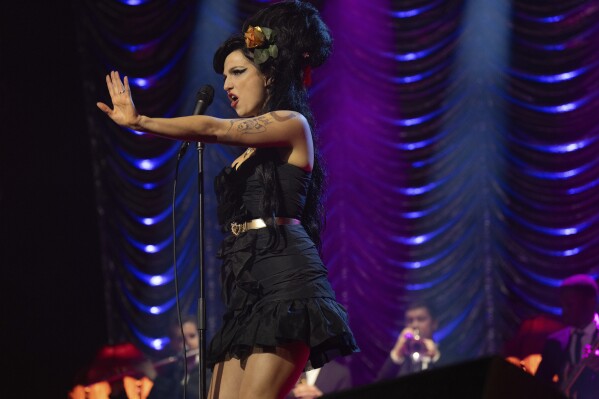
Mitch would debunk this notion, saying that the story was misinterpreted, which made him look bad in the eyes of people.
There are speculations that Back to Black was Mitch's way of controlling the narrative and response to the critically acclaimed 2015 documentary film, Amy.
Mitch was exceptionally vocal in his critique of Amy, vehemently accusing the film of misrepresentation and lamenting its perceived lack of balance in portraying both himself and his daughter in an unfavorable light.
To be fair, Back to Black did not absolve Mitch of his staunch refusal to send Amy to rehab or his seemingly indifferent attitude toward his daughter's excessive lifestyle.
However, Back to Black primarily focuses on Amy and Blake's relationship, portraying the latter as a "bad influence" on the talented singer, which ultimately contributed to her tragic downfall.
Read: Charmed, troubled lives of the "27 Club"
TURNING PAIN INTO ART
Amy's 2006 sophomore record, Back to Black, which turned out to be her last as well, was a commercial and critical hit.
Amy's breakup with her then-ex-boyfriend and future husband, Blake Fielder-Civil, who briefly left her to reconcile with an ex-girlfriend, inspired the songs in the album—"You Know I'm No Good," "Love Is A Losing Game," "Back to Black," and "Rehab."
Amy's lyrics in the songs reflect the pain brought about by her troubled romance, making it a poignant and raw portrayal of love gone wrong.
This adds to the legend of the monumental record, which ranks among the best breakup albums of all time—a list that includes Rumours by Fleetwood Mac, Blood on the Tracks by Bob Dylan, Blue by Joni Mitchell, and Beck's Sea Change.
The film offers a glimpse of that period, showing a heartbroken Amy working on the album in Miami and New York in the U.S., and already showing signs of her worsening addiction.

Back to Black is now showing exclusively in Ayala Malls Cinemas.