
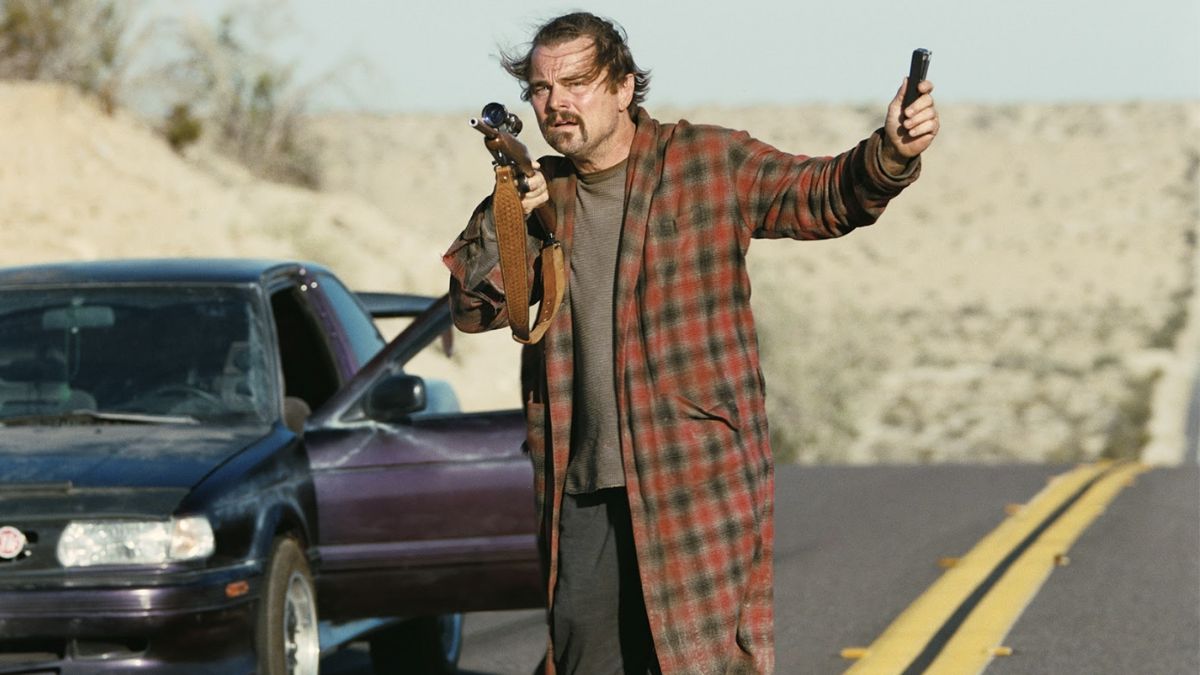

Paul Thomas Anderson’s latest movie, One Battle After Another, is a long but satisfying journey.
Despite its nearly three-hour runtime, the film is relentlessly paced, and an exercise in narrative efficiency.
Every single second on screen matters—no throwaway scenes and no moments where you can check your phone.
The movie gets right to the point and never lets up.
One Battle After Another: PACE
The beginning of the film is a blur of kinetic energy, with scenes shifting so rapidly it forces the viewer to acclimate to its unique rhythm.
The scenes change so quickly you have to pay close attention. But that's not a bad thing.
It makes you lean in and try to figure out what's going on, and that makes it more exciting. This movie feels so well thought-out.
The director has been trying to make this film for years, a careful effort to adapt Thomas Pynchon's well-acclaimed novel Vineland.
He waited until he knew the time was perfect, and that patience is evident in every shot. Nothing feels rushed, everything feels intentional.
One Battle After Another: STORYTELLING, cinematography, scoring
One Battle After Another stars Leonardo DiCaprio as Bob Ferguson, a former member of a violent revolutionary group called French 75.
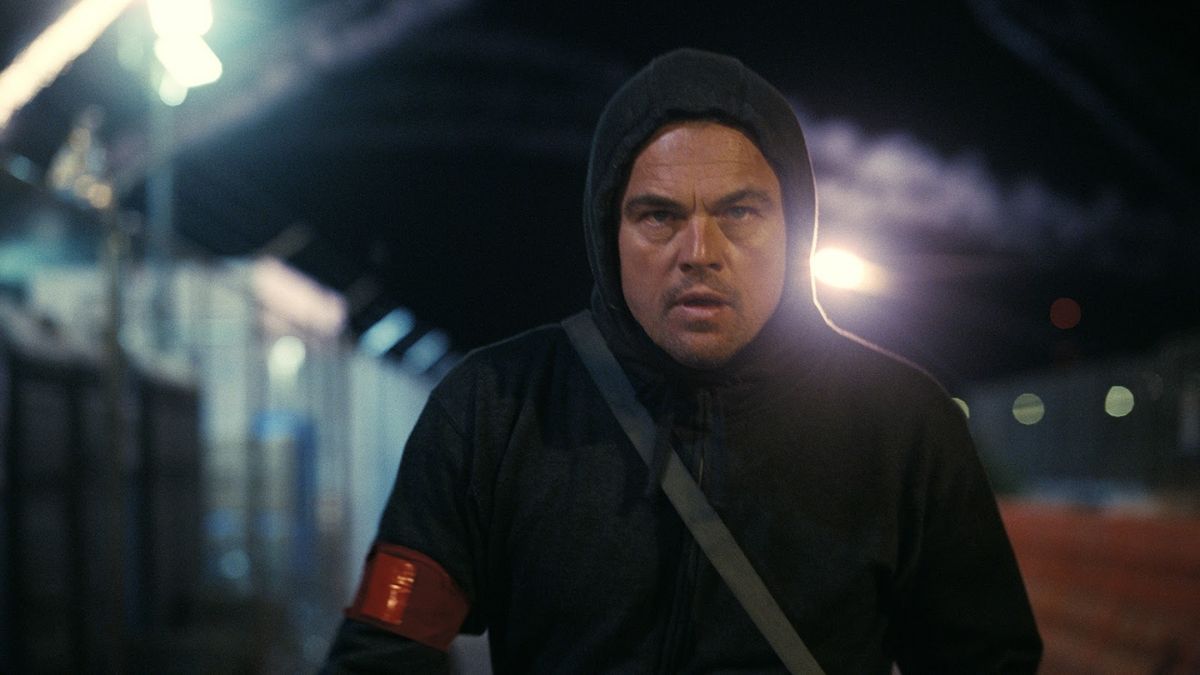
Bob, who has been in hiding ever since most of his fellow revolutionaries were executed 16 years ago, must now confront his past when the government sets its sights on his daughter, Willa.
The film explores themes that are both timely and urgent, delivering a searing satire of the rise of white Christian nationalism in the United States and the growing calls for racial purity around the world.
It delivers its message via a masterstroke of dark, understated wit.
It is woven seamlessly into both the dialogue and the chaotic action.
Scenes like Bob’s desperate attempt to charge his phone during a riot become moments of genuinely uproarious comedy.
Similarly, the tense confrontation between Willa and a racist colonel manages to be both suspenseful and laugh-out-loud funny.
The movie also looks and sounds amazing.
Michael Bauman's cinematography is stunning, especially the car chases that stretch into the huge, empty desert.
And the whole thing is set to a pulse-pounding score by Johnny Greenwood that really sets the pace.
The music and the visuals work together to make sure you're always on the edge of your seat.
One Battle After Another: acting
Accolades should also go to the actors.
Leonardo DiCaprio as Bob is hilariously unhinged.
He grounds the character's reluctant hero arc with a mix of comedic stoner apathy and genuine desperation.
Sean Penn, as the antagonist Colonel Steven Lockjaw, is both terrifying and pitiful—an ambitious man willing to do whatever it takes to get what he wants.
He convincingly portrays a broken figure consumed by his own dark ambitions.
And Chase Infiniti, who plays Bob’s daughter Willa, is definitely one to watch.
Despite being a newcomer, she demonstrates remarkable range for someone so young."
Even the supporting players, including Benicio del Toro, Shayna McHayle, Alana Haim, Regina Hall, and Teyana Taylor, each make a lasting impression.
Beyond its cinematic merits, One Battle After Another is a profoundly important work for Paul Thomas Anderson.
Not only it is entertaining, it also serves as a stark reminder that there are many ways to fight back as the world descends into darkness.
Read:
Gerald Anderson spotted at the wake of Julia Barretto's uncle