
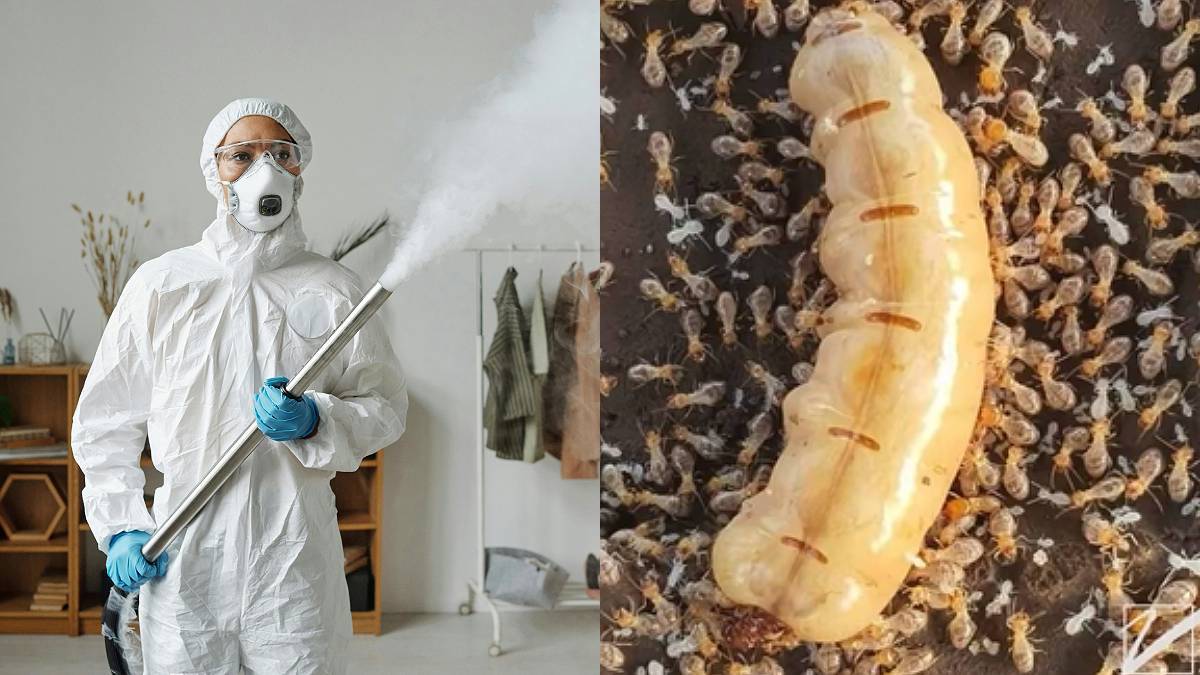


Dealing with house pests is a major concern for any homeowner.
After some time that a house has been built, rodents, cockroaches, and termites eventually appear, especially if the house has wood components.
While there are pest-control services that can address this problem, there are other methods that future homeowners may consider.
PEP.ph (Philippine Entertainment Portal) asks three licensed architects for their expert advice on dealing with house pests.
Read: How architects deal with clients who believe in feng shui
SOIL POISONING
They say prevention is better than cure, and this is also true in house building.
Architect Dianne Florendo explains that owners can consider “soil poisoning” from the get-go, even before starting with your house structure.
She says, “Bago pa itayo ang bahay, sa lupa pa lang puwede nang ma-prevent ang mga anay sa [pamamagitan ng] paggamit ng soil poisoning.
“Ito yung ginagamit para lasunin yung lupa para mamatay yung mga insekto, pati yung mga halaman na tutubo na makakasira rin ng pundasyon ng ating bahay.
“Once nalason na ang ating lupa, puwede na nating patayuan ng bahay at hindi na rin makaka-encounter ng peste sa bahay."
With this method, she stresses, “Mas tatagal ang bahay natin pag nagawa yung proseso.”
Architect Edel “Ed” Ramos agrees with Dianne.
Ed underlines, “Sa umpisa pa lang, meron na dapat kino-consider yung pest control.
“Iyan din yung nakakalimutan ng ibang homeowners kasi diretso na sila kaagad sa foundation.
“Ang totoo, gaya ng sinabi ni Dianne, meron talagang treatment doon sa soil.”
RETICULATION
One may ask, won’t soil poisoning be dangerous to house tenants?
Architect Ed clarifies, “Sabi nga nila 'nilalason,' pero yung lason na iyon, para sa lupa lang siya.
“So kailangan, meron ding sistema na mami-maintain siya na every five years o every three years depende po doon sa product na gagamitin.
“So ang ginagawa po ngayon, nilalagyan ng reticulation pipes na paikot doon sa perimeter para ma-maintain na anay-free o rodent-free, kung anumang pest, yung buong bahay.”
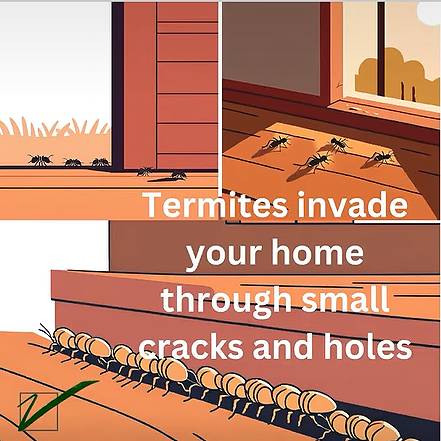
Ed also expounds how anay or termites perform and end up eating the wood components of your abode.
He says, “Kasi ang alam po natin, yung inaanay lang yung kahoy. Hindi.
“Ang inaanay kasi yung basang kahoy, at kayang amuyin ng anay ang basang kahoy kahit nasa high-rise building pa yung basang kahoy.
“From the lupa, kaya nilang amuyin iyon. So importanteng lupa talaga ang mati-treat at lahat ng kahoy elements ng bahay ay mati-treat.”
Read: Architects cite common mistakes future homeowners should avoid
HOW RETICULATION WORKS
Ed also goes further into how reticulation works.
“Meron pong piping na nakapalibot doon sa perimeter. Doon [sa pipes] nilalagay yung chemicals.
“Ang nagpo-provide po [ng chemicals] yung mga pest control services.”
He says the reticulation is crucial for the maintenance against pests.
“Kasi kapag nandoon na po yung reticulation, ‘tapos meron na siyang mga inlets, anytime puwede mo siyang i-maintenance.”
Will this system guarantee an anay-free and rodent-free house?
Ed replies, “With proper product, saka yung maintenance, yung time na kailangan siyang i-maintain… depende po yun sa product.
“Kung nandoon na po talaga yung system, madali nang maglagay ng kahit na anong product, saka kahit sinong service provider madali na silang [maglagay ng anti-pest product].”
When it comes to safety and environmental concerns using chemicals, Ed stresses, “Yung mga chemicals po ngayon, meron pong mga organic, mga environment-friendly na mga products.
“So, with the right service providers, mapipili natin yung… although talagang meron harm, yung less harmful [ang pipiliin].”
He also provides an estimate about the expenses required for the soil poisoning.
“Ang cost po ng soil poisoning, ‘tapos yung anay treatment, hindi naman siya aabot ng 10 percent ng cost ng structure. Minsan less than one percent pa, ganoon lang po iyon.
“Natatakot lang tayo dahil hindi tayo sanay.”
While soil poisoning may seem costly, Ed points out that homeowners might even end up spending more with reconstruction to address termite damage.
That's why it's crucial to educate the public about this pest-treatment procedure, and it is often the architects who inform homeowners about it.
“Ang totoo po, sa amin din po nila nalalaman iyon. Hindi nila alam na kailangan iyon.
“So dahil gina-guide namin sila—part ng services namin na iga-guide sila—nalalaman nila, nakaka-save sila sa maintenance.
"Dahil sa umpisa pa lang, alam na nila ang mga dapat lagyan ng budget,” says the architect.
On the other hand, Dianne’s husband and fellow architect Dannie Florendo says architects can recommend professionals for pest control if homeowners do not have pest-control maintenance system installed in their houses.
Dannie says, “Let’s say matagal na yung bahay, hindi na na-supervise.
"We can help to recommend other professionals who can help with the termites, rodents, or other peste para matulungan sa bahay natin.”