
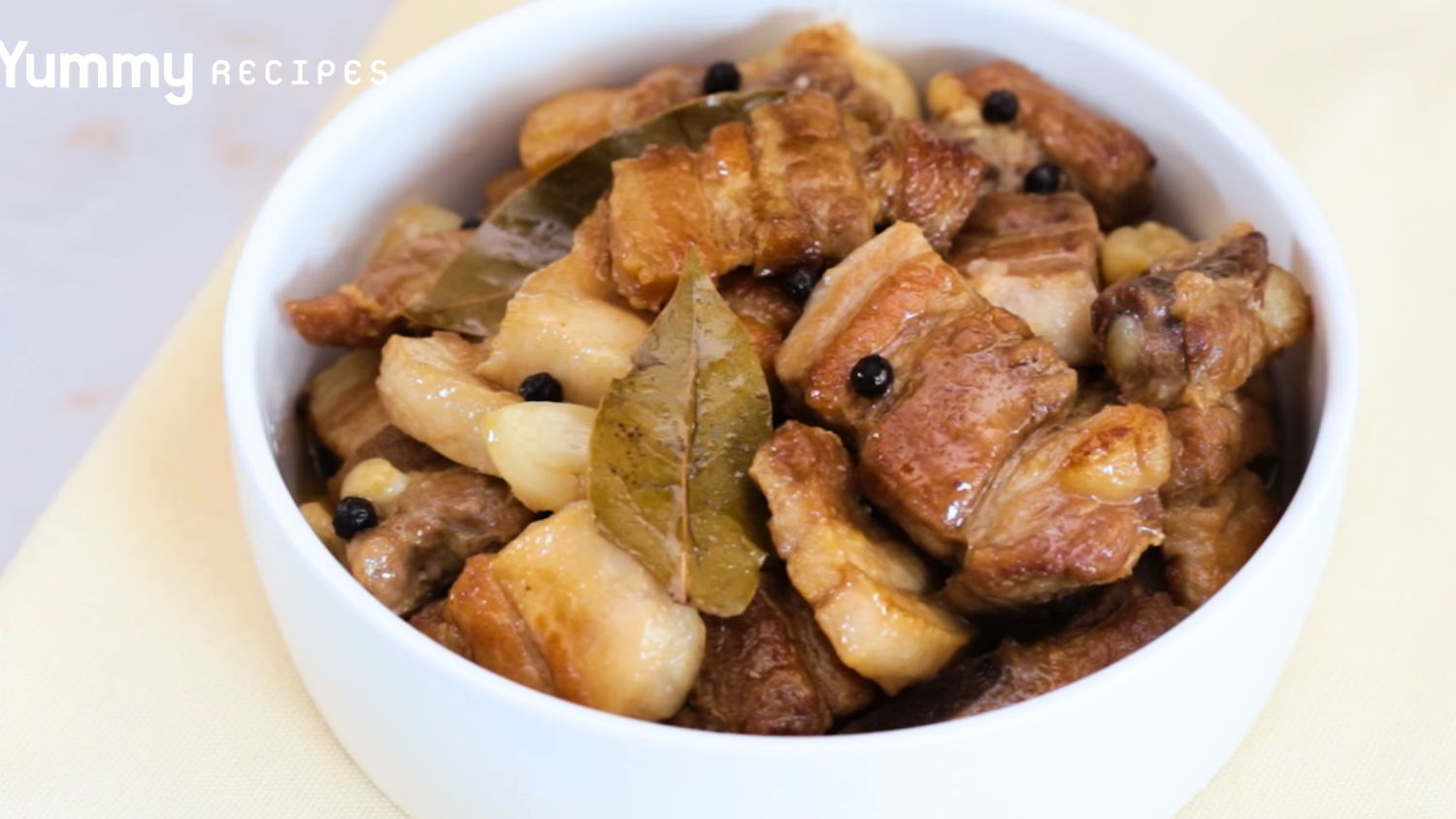


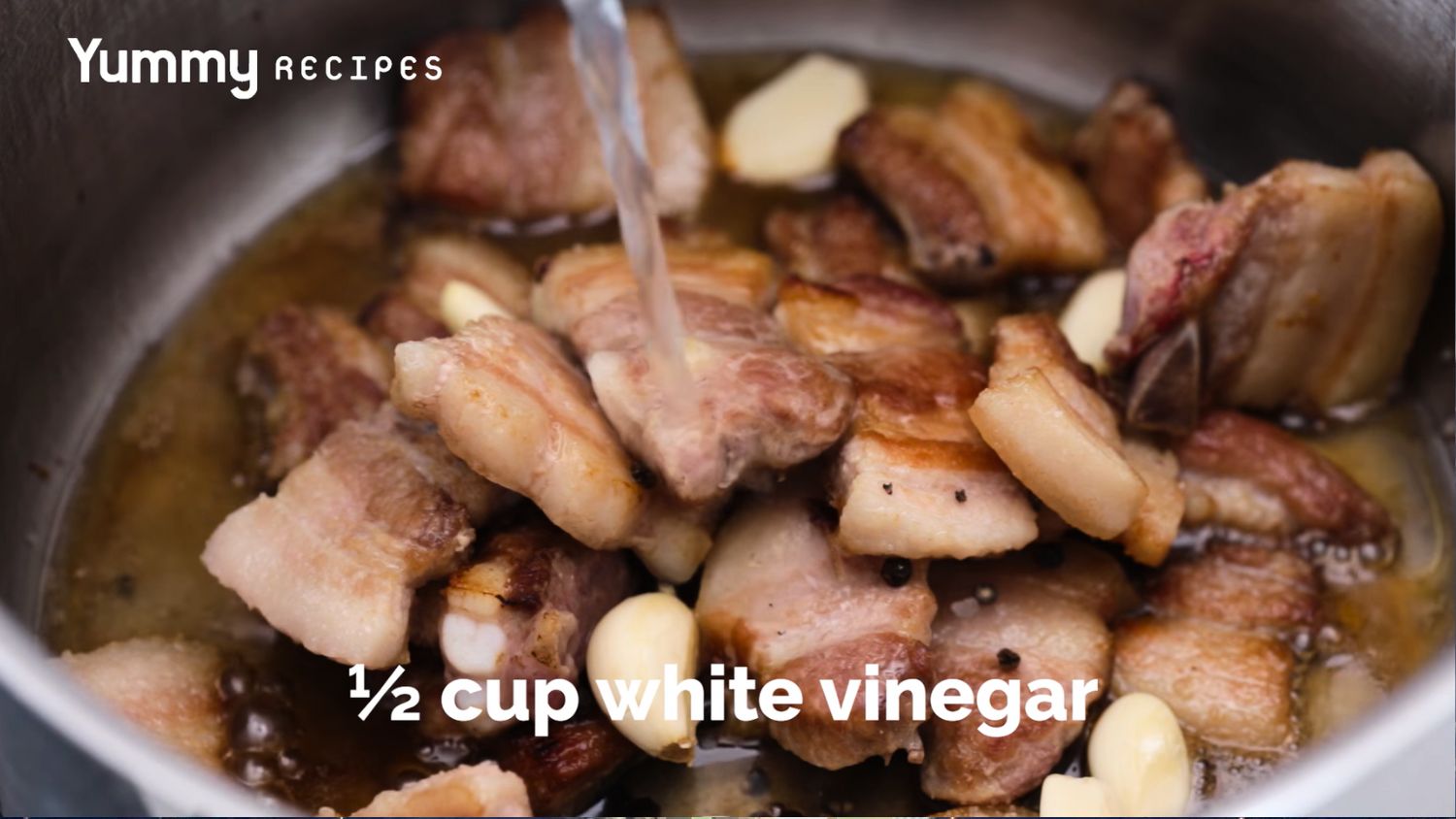
Ang bilin ng ilang matatanda, huwag munang haluin ang niluluto kapag ito ay nilagyan ng suka.
Hayaan muna raw itong kumulo ng ilang minuto.
Bakit?
Kapag kaagad kasing hinalo ang niluluto, mahihilaw raw ang suka at mag-iiba ang lasa ng ulam, gaya ng adobo, dinuguan, at lechon paksiw.
Ito ba ay katotohanan o pawang kasabihan?
Sa pagtingin-tingin ng PEP.ph (Philippine Entertainment Portal) sa social media, marami pala ang invested sa topic na ito.
Marami sa kanila ang nagbabahagi ng kanilang opinyon sa mga forum and comments sections online.
May mga nagsasabing totoo ito dahil ito ang sabi ng kanilang nanay o lola.
Ang iba, sinubukan pareho at sinabing may pagkakaiba nga ang lasa.
May mga nagsabbi ring walang pagkakaiba.
Kahit ang mga kilalang food vloggers and chefs, tulad nina Ninong Ry at Chef Abi Marquez, ay nag-eksperimento sa adobo.
Read: Ninong Ry shares his take on winning in vlogging and in life
So, totoo nga ba?
Para sa dalawa, wala raw pagkakaiba ang lasa kung maaga mang hinalo ang adobo pagkalagay ng suka o hayaan muna itong kumulo ng ilang minuto matapos ilagay ang suka.
Ganito rin ang sinabi ni Chef Byron de Lemos na nagsasabing hindi maaapektuhan ang lasa ng adobo, at ang importante raw ay maluto ang suka.
TO STIR OR NOT TO STIR THE VINEGAR?
Pinagtalunan naman ito ng mga netizens sa isang Facebook group na Filipino Cooking Group.
Post ng isang member noong 2022: “Is this the truth or just a superstition? I watched several cooking shows and it says not to stir vinegar when cooking or the food get sour.”
Daan-daang group members ang nagkomento rito.
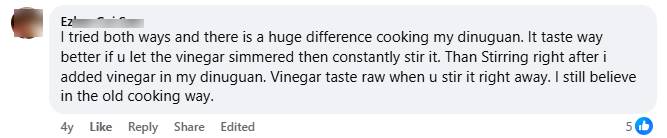
Ang sabi ng isa, sinubukan niya ang dalawang paraan sa pagluluto ng dinuguan at may malaking pagkakaiba raw.
Parte ng pahayag niya (published as is): “It taste way better if u let the vinegar simmered then constantly stir it. Than stirring right after I added vinegar in my dinuguan. Vinegar taste raw when u stir it right away.”
Sabi ng isa pa, “Yes. It’s true. If you stir it right away, your food will be ruined with the taste of raw vinegar. Wait till the food has simmered, then you can start to stir it.”
Naniniwala raw siya sa “old cooking way.”

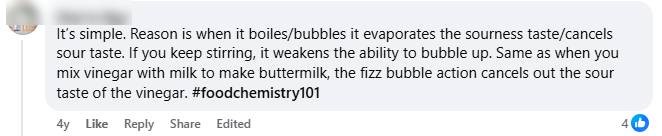
May isang nagpaliwanag na ginamitan pa niya ng hashtag na #foodchemistry101.
May kinalaman daw ito sa pag-e-evaporate ng suka kapag hinayaan munang kumulo, kumpara sa paghahalo agad kapag ibinuhos sa niluluto.
Sabi nito: “It’s simple. Reason is when it boils/bubbles it evaporates the sourness taste/cancels sour taste.
“If you keep stirring, it weakens the ability to bubble up. Same as when you mix vinegar with milk to buttermilk, the fizz bubble action cancels out the sour taste of the vinegar.”
COOKING THE OLD WAY: May epekto sa lasa
Pagsang-ayon ng isang female netizen, ang itinuro sa kanya ay pakuluan muna ang niluluto ng 5-10 minutes pagkalagay ng suka.
“Always been a rule in cooking Filipino food, to leave it alone for a few minutes once vinegar is in. Adobo is the easiest filipino food to make.”


Isa pang similar experience, kung saan nanay naman niya ang nagsabing huwag munang haluin ang adobo pagkatapos lagyan ng suka.
"I thought it was weird but didn’t question it since she’s a great cook and I’m not.”

OLD WAY OF COOKING: WALANG EPEKTO
May ibang netizens na iginiit na walang katotohanan ang nakasanayang pagluluto ng mga nakatatanda pagdating sa paglalagay ng suka.
Sabi ng isa, “Not true at all… I’m a food scientist btw.”
May sumundot ng: “EXACTLY. I’ve been searching for the science behind it and I haven’t come to find a single thing.”
Sumegunda ang food scientist: “It just makes no sense from a chemistry stand point. If you have a liquid at or near boil it’s stirring itself.”

Yung iba, hindi raw sinusunod ito dahil wala namang pagkakaiba.
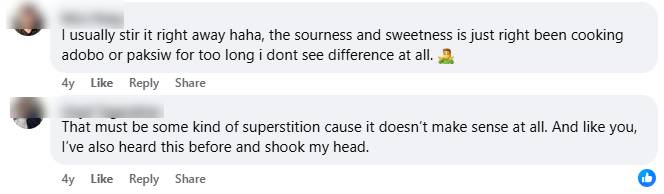
Komento ng isa (published as is): “I usually stir it right away haha, the sourness and sweetness is just right been cooking adobo or paksiw for too long I don’t see difference at all.”
Hirit ng isa pang hindi naniniwala: “That must be some kind of superstition cause it doesn’t make sense at all. And like you, I’ve heard this before and shook my head.”
May mangilan-ngilan ding nangatwiran na aasim talaga ang luto dahil suka ito. Depende na lang daw sa dami ng sukang inilagay kung magiging matapang ang asim nito o hindi.
Pero may mga nagpatotoo sa paniniwalang ito.
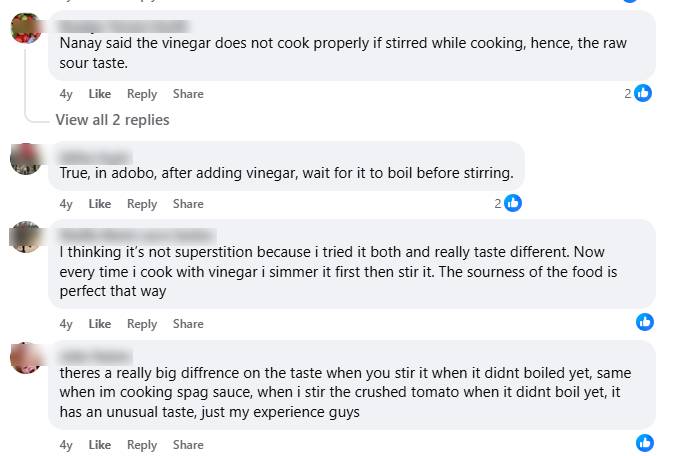
Paliwanag ng isa: Nanay said the vinegar does not cook properly if stirred while cooking, hence, the raw sour taste.
Dugtong ng isa pa, “True, in adobo, after adding vinegar, wait for it to boil before stirring."
Sinubukan daw ng isang netizen ang dalawang versions at naniniwala siyang may kaibahan ng lasa.
Anito (published as is): “'mI thinking it’s not superstition because I tried it both and really taste different. Now every time I cook with vinegar I simmer it first then stir it. The sourness of the food is perfect that way.”
Read: Who is Claudine Co?
Kung pagbabasehan ang sagot, mahirap magbigay ng conclusion.
Pero mahirap mabago ang paniniwala, lalo na kung wala namang mawawala kung susundin ito.
Meron din namang mga propesyunal, tulad ng mga chefs, na nag-eksperimento at nagsabing wala talagang pagkakaiba.
Pero ang tiyak ay iba-iba tayo ng panlasa. Ang masarap para sa isa, maaaring hindi magugustuhan ng iba.
Kaya lutuin ang ulam sa paraang gusto mo dahil ang importante ay masasarapan ka kapag kakainin mo ito.