
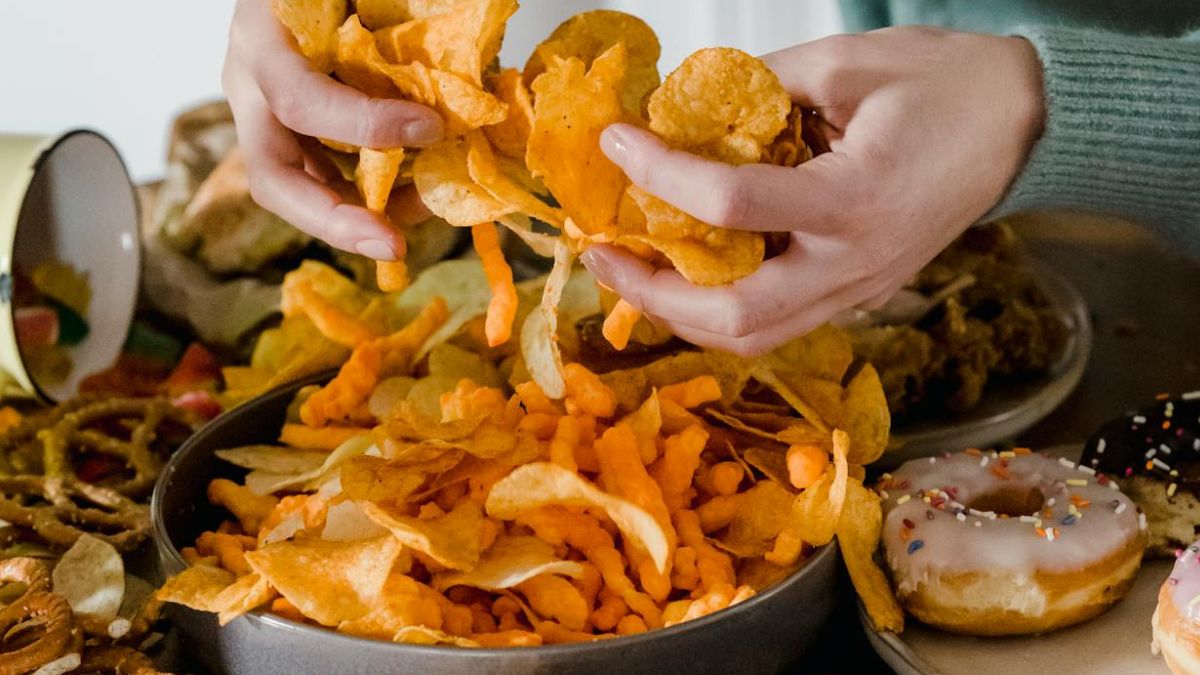

Christmas is a time when binge eating with family and friends occur from sunrise to sunset.
It seems like no one can say no to a time-honored tradition of tables groaning with food!
But before you pile up your plate with lechon, crispy pata, and other yummies dripping with oil, think carefully—how will the one and only body you have react, weeks, months, even years after?
Not everyone who gorges on greasy, processed food will get seriously sick, but it pays to be forewarned.
It pays to prevent heart attack, stroke, and cancer while you still can.
After all, the Big C not only wipes out lifetime savings; it can even bring death.
PEP.ph (Philippine Entertainment Portal) talks to oncologist Dr. Necy Juat for timely tips that can help prevent and fight cancer.
WHAT FOOD CAUSES CANCER?
1. Stir-frying issues
This style of cooking does not inherently cause cancer, but the way it handles food can increase risk.
Cooking at very high temperatures can produce harmful compounds like polycyclic aromatic hydrocarbons (PAHs) and heterocyclic amines (HCAs), which are potential carcinogens.
Repeatedly reheating cooking oils can be just as dangerous. It can generate toxic substances like trans fats and acrolein, which may increase cancer risk.
To reduce risk, minimize high-heat exposure and use fresh oils.

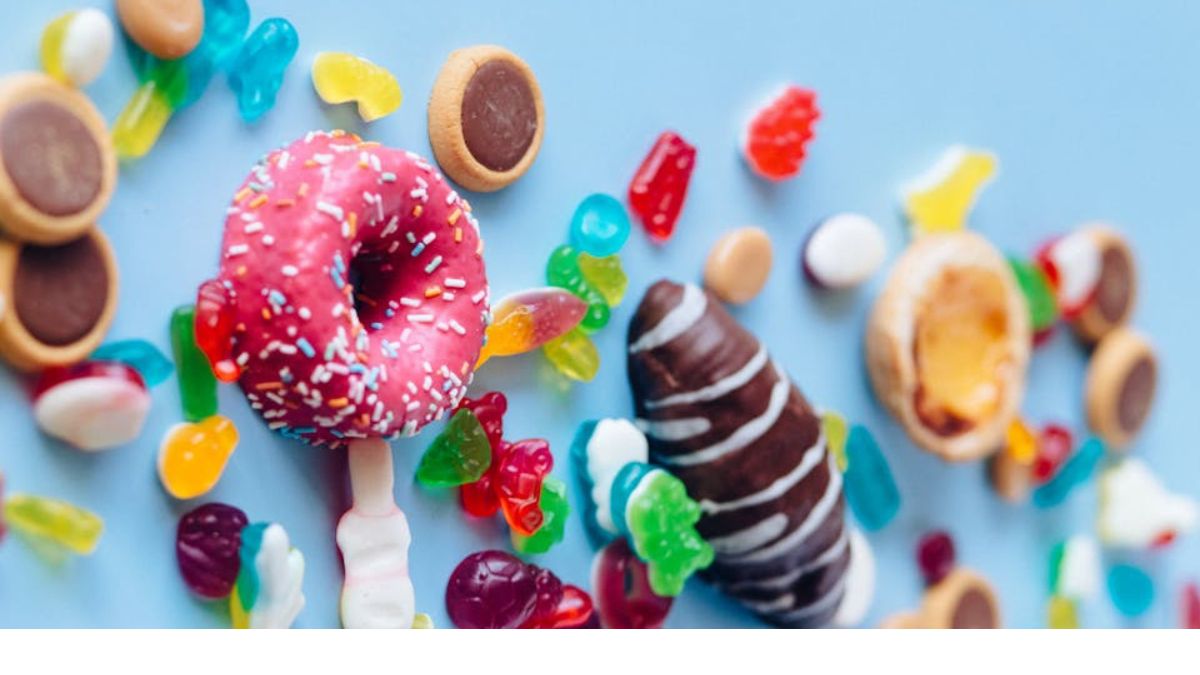
2. Sugary food alert
Sugar itself does not directly cause cancer, but excessive intake contributes to obesity. This is a significant risk factor for various cancers, such as breast, colorectal, and pancreatic cancers.
High consumption can also lead to insulin resistance and inflammation, potentially fueling cancer growth.
Sugar-sweetened beverages are linked to increased cancer risk due to their impact on metabolic health.
3. Spoiled food dangers
Spoiled food may harbor toxins or pathogens, increasing the risk of illness.
Moldy foods, particularly grains and nuts, can produce aflatoxins, which are carcinogenic and associated with liver cancer.
Proper food storage and adhering to expiration guidelines help mitigate risks. So check the expiration date of the food you buy and stay away from expired products.
4. Processed food risks
Regular consumption of processed foods can raise cancer risk: nitrates and nitrites in processed meats, like bacon and sausages, can convert into carcinogenic compounds during digestion.
Excessive consumption of some artificial additives may also pose risks.
Examples of these additives are monosodium glutamate (MSG), artificial food coloring, artificial sweeteners, sodium benzoate in carbonated drinks and acidic food, like salad dressing, fruit juices and condiments, trans fat in baked goods, margarine, microwaved popcorn and biscuits, and artificial flavoring.
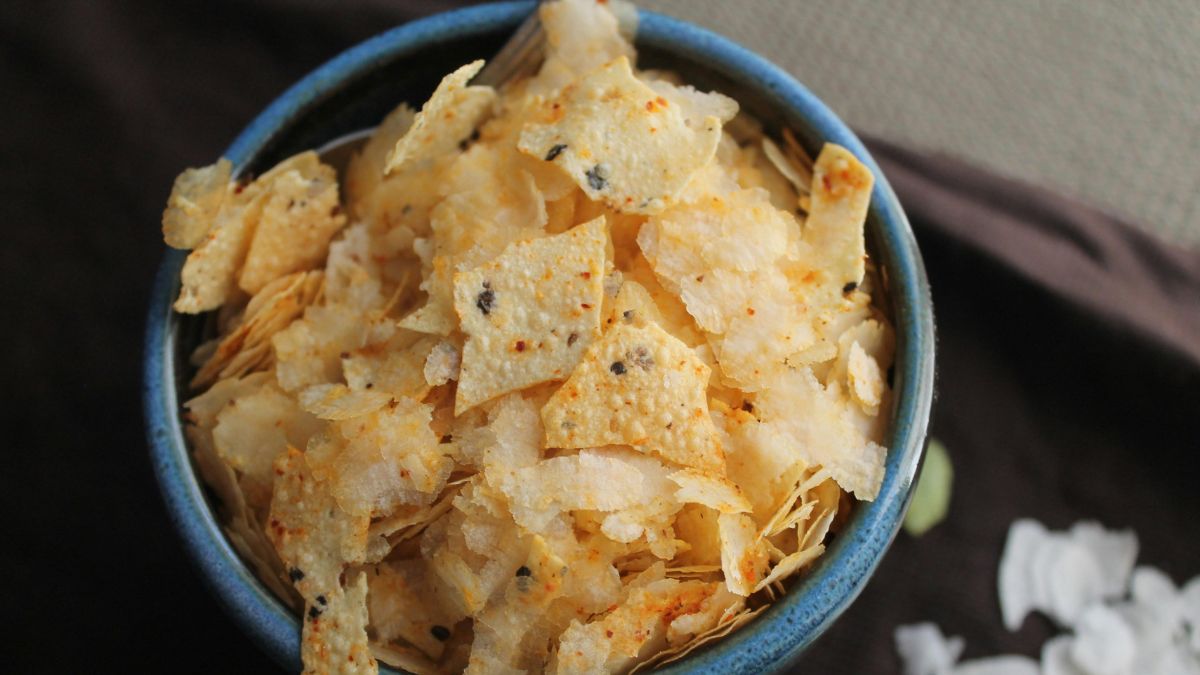
5. Food with high-salt content
This can lead to obesity and inflammation, and indirectly contribute to cancer.
The TWO
According to Dr. Juat, the link between lifestyle and cancer is real.
So, aside from food, there are two important things to remember.
NAY: Prolonged sitting
Yes, sitting is the new smoking.
Dr. Juat says prolonged sitting is associated with increased risk of certain cancers, particularly breast and colorectal cancers.
Sedentary behavior can lead to obesity, insulin resistance, chronic inflammation, and reduced immune function, all of which contribute to cancer risk.
Cut this risk by engaging in regular physical activity and breaking up long sitting periods.
YAY: Sleep
Snooze time is just as important. Poor or insufficient sleep can increase cancer risk.
Chronic sleep deprivation disrupts circadian rhythms, leading to hormonal imbalances, immune suppression, and increased oxidative stress, which can promote cancer.
The International Agency for Research on Cancer (IARC) classified night work shift as a probable carcinogen due to its effect on sleep and circadian disruption.
Those who want to contact Dr. Juat may visit her clinic at Room 3234, the National Kidney and Transplant Institute, Monday and Tuesday, 10 a.m. to 12 noon. She also holds office at Global Care Cancer Institute in Bay, Laguna, where she is president and COO.