
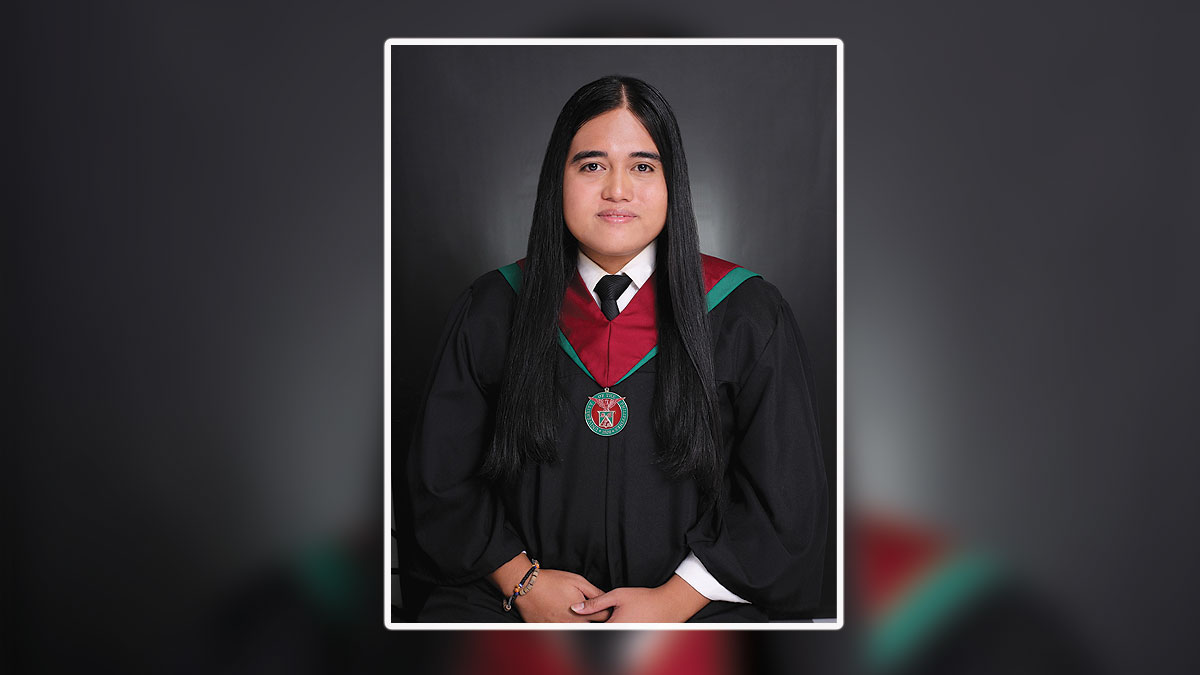

Sa unang tingin, kung pagbabasehan ang mga narating ni Leo Jaminola, 25, siya ay maituturing na success story.
Sa kabila ng matinding kahirapan, nakapagtapos siya ng cum laude sa kursong Bachelor of Arts in Political Science (2019) at Master of Arts in Demography (2023) sa University of the Philippines (UP) – Diliman.
Naging working student—na umabot pa sa puntong pinagsabay-sabay niya ang anim na raket para matustusan ang pag-aaral.
Siya rin ang breadwinner sa pamilya.
Hindi nakapagtataka kung bakit binansagan niya ang sarili bilang Bibong Raketero ng Mindoro.
Pero para kay Leo, ang kanyang “success story”—tulad rin ng ibang kagaya niya ng estado—ay isang “systemic failure” sa ating lipunan.
Read: Senior citizen, PWD discount via online transactions is mandatory, says BIR
GROWING UP IN POVERTY
Nitong July 29, 2023, may mahabang post si Leo tungkol sa pagtatapos niya ng master’s degree.
Mahaba rin ang post niya noong June 29, 2019, nang magtapos siya ng college.
Parehong mataas ang engagement ng kanyang Facebook posts.
Inabot ng isang dekada bago natapos ni Leo ang kanyang college at master’s degrees sa UP Diliman.
Mula sa mahirap na komunidad sa Mindoro, lumaki siyang nasanay na makita ang kahirapan sa paligid.
Hindi karaniwan sa kanyang komunidad ang mga naghahangad ng college degree.
“Growing up, shirtless children playing near the esteros and makeshift houses made of tarpaulin were a normal sight,” aniya.
Nang lumuwas siya para pumasok sa UP, nanghingi pa siya ng pambaon o pamasahe mula sa mga kamag-anak at kapitbahay.
Naging raketero si Leo.
Habang nag-aaral, pinagsabay-sabay ang pagiging encoder, transcriptionist, library student assistant, tutor, writer, at tindero.
“While my classmates were busy preparing for exams, I was coming home from tutoring sessions.
“While my friends were sleeping soundly, I was finishing transcriptions for interviews.
“While my colleagues had finished submitting their semester term papers, I was concluding articles for clients.
“There was little actual time for me to devote to my academics as there was a constant need for money.”
Prayoridad niya ang pagtatrabaho para may makain siya, at para may maipadala sa pamilya.
“Because of this, I failed a few subjects and settled for a passing grade for some others. It wasn’t about thriving and excelling anymore; it was just about surviving.”
Hindi rin siya consistently na naka-qualify sa mga scholarships dahil hindi niya nakukumpleto ang mga requirements dahil na rin sa hindi siya naka-focus sa pag-aaral.
Nang makapagtapos sa kolehiyo, naabutan siya ng pandemya,
Pero pinasok pa rin ni Leo ang iba-ibang trabaho nang sabay-sabay.
“I became a research assistant, a government employee, a development worker, and a consultant for different projects with some engagements overlapping with each other,” sabi niya.
Hindi niya ma-afford mawalan ng trabaho dahil umaasa sa kanya ang pamilya.
“I also often entered into essay writing competitions and fellowships that offered cash incentives in an attempt to augment my income.
“I succeeded in some of these competitions and earned some cash, but I also lost in so many others.”
Sabi niya, “From full-time work, part-time work, and competitions, I did my best to provide not only for myself, but also for my family.”
Read: UP student Leo Jaminola: This raketero with 6 jobs graduates cum laude
Nariyan pa ang hamon na kailangang pagtuunan ng pansin ang kanyang thesis para sa master’s degree.
Na-delay siya ng isang semester dahil mahirap pagsabayin ang trabaho at pag-aaral.
May mga pagkakataong gusto na niyang sumuko, pero maaalala niyang hindi siya puwedeng bumigay dahil maraming umaasa sa kanya.
Aniya, “But then I remember that the needs of the people I love largely depended on me so I dust myself, drown the chorus of self-doubt in my head, and breathe deeply before continuing work once more.”
Read:
- VIRAL: Couple, itinuloy ang kasal kahit baha sa simbahan
- Meet Alma Roque, 48-year-old nanay who earns 5 digits from online gaming and live streaming
HARD WORK IS A MYTH
Malaman ang mga pahayag niya tungkol sa kahirapan at kasipagan.
“Some people will say that poverty is a personal failure and that the members of my community should work harder, but I know better,” ani Leo.
Hindi rin siya naniniwala na ang pagiging masipag ang susi para magtagumpay, batay sa kanyang personal experience.
Paglilinaw niya, hindi niya sinasabing walang halaga ang pagiging masipag.
Pero mas naniniwala siyang “privilege and access to resources have greater impacts on whether a person ends up successful or not.”
Dahil kung kasipagan lamang daw ang kailangan, sana ay marami nang masipag na tao ang hindi na sumasakit ang ulo sa pag-iisip kung saan nila kukunin ang kakainin nila araw-araw.
“If hard work is all it took, then my neighbors who wake up at 4:00 AM to go out to sea and catch fish should not face financial issues.
“If hard work is all it took, then the ‘nanays’ in my community who juggle multiple domestic responsibilities while still trying to contribute to household finances would be enjoying a comfortable life.”
Hindi raw magtataka si Leo kung para sa iba, ang karanasan niya ay patunay na ang pagiging masipag ang susi sa tagumpay.
Pero paano naman ang iba na kahit walang tigil sa pagkayod ay hindi umaasenso?
Ani Leo, “How are their experiences not evidence of the continued inaccessibility of education and opportunities in our country?”
At bagamat nakatapos na siya sa pag-aaral, dapat sana'y mas maginhawa na ang buhay niya, di ba? Pero kailangan pa rin niyang kumayod nang todo para kayanin ang gastusin sa mga pangangailangan ng pamilya.
Kailangang pagtuunan ng pansin ang “structural barriers"—o mga policies and practices na lalong nag-aangat sa mga may kaya at naglulugmok sa mga mahirap.
“Rather than success, we should see my experience and the stories of so many others as systemic failures.
“If anything, my story should make us angry and move us to demand a much better society – one that allows our people to live with dignity, dream freely, and enjoy equal opportunities.”
Hangad ni Leo na magamit niya ang pinag-aralan para makatulong sa komunidad.
Pero mahaba-haba at marami-rami pa ang dapat gawin para makamit ang kanyang hangarin.
Sabi niya, “My experiences and my understanding of how society disadvantages certain kinds of people has motivated me to pursue a career in development research.
“Knowing that the research I do can affect the lives of my friends and neighbors fills me with both hope and joy.
“But I know that research alone is not enough. It must be based on analysis and understanding of concrete conditions and it must be anchored in the interest of the masses.
“It must also lead to action–a necessary step in helping people free themselves from their chains.”